The UAE Leaves OPEC: What It Really Means for Dubai Real Estate
On 28 April 2026 the UAE confirmed it would exit OPEC and OPEC+ on 1 May. We unpack what the move signals about the country's diversification thesis, and why most of the second-order effects are quietly positive for Dubai property.
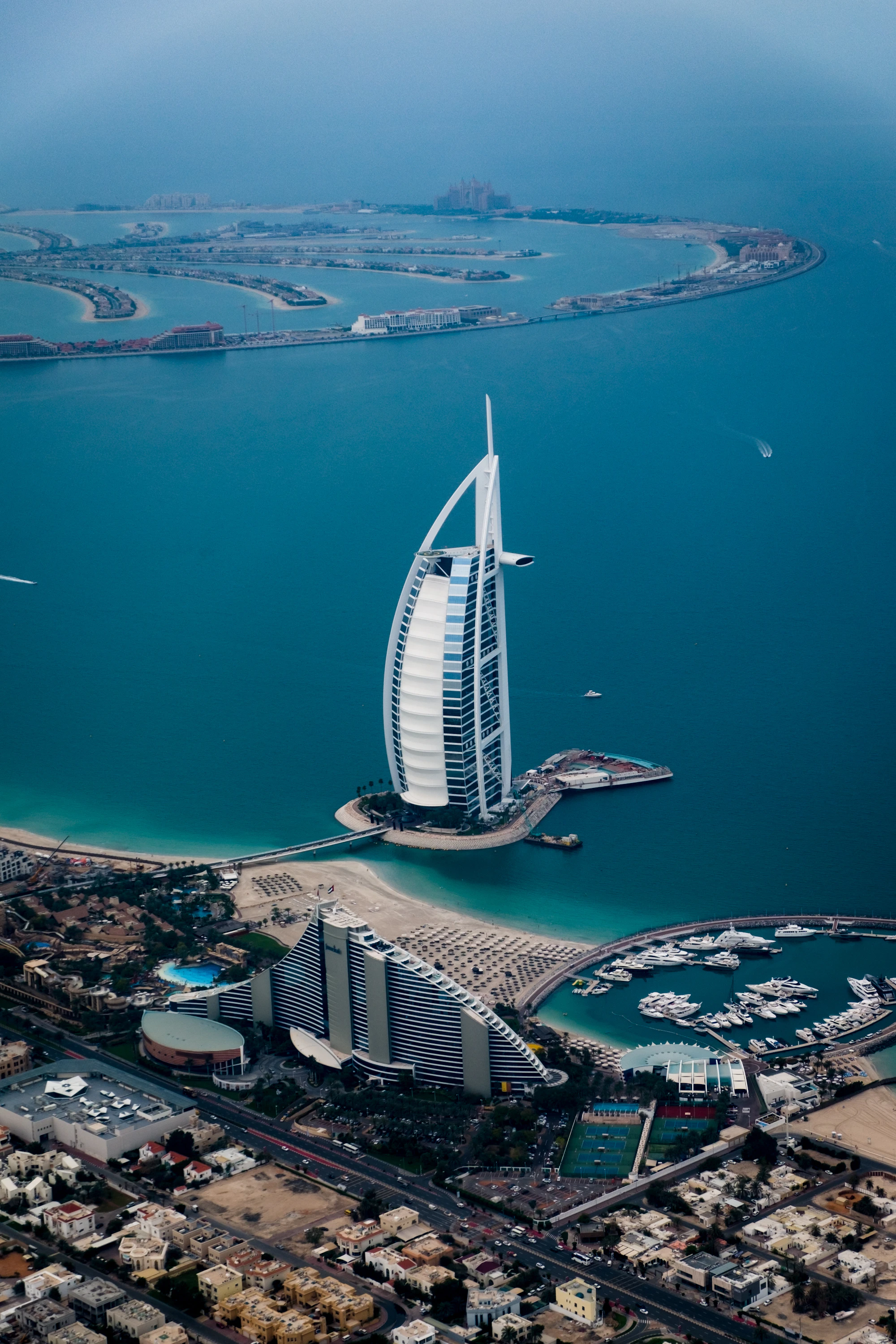
Field Notes · Macro & Markets · April 2026 · By the Aumra Nova editorial desk
What happened
On Tuesday, 28 April 2026, the UAE energy ministry confirmed that the country will leave both OPEC and the wider OPEC+ alliance, effective 1 May 2026. Reuters, Bloomberg, AP, CNBC and CNN Business all carried the announcement on the same day. The UAE was the third largest producer inside the cartel, behind Saudi Arabia and Iraq, and had been a member for nearly six decades.
The framing from Abu Dhabi was deliberate. The exit was described as a strategic move to better serve global energy demand, with a continued commitment to price stability. It was not framed as a confrontation, and the timing alongside a Gulf leaders meeting on regional security gave it a measured, statesman-like tone rather than a market-disrupting one.
The UAE''s departure leaves OPEC weaker on paper, but it confirms what investors have been pricing in for years: the Emirates is treating energy as one input into a much larger non-oil economy, not as the economy itself.
Why this is not an oil story for Dubai property
It is tempting to read OPEC headlines as oil-price headlines, and oil-price headlines as Gulf real estate headlines. That linkage was real in the 1990s and early 2000s. It is far weaker today.
According to projections summarised by the Central Bank of the UAE in its March 2026 Quarterly Economic Review, non-oil sectors now account for roughly 78 percent of UAE GDP, and the central bank expects the broader economy to grow by 5.6 percent in 2026, led by trade, tourism, financial services and real estate. Non-oil foreign trade in the first nine months of 2025 grew 24.6 percent year on year.
In other words: the UAE has spent the past fifteen years building the kind of economy that does not need OPEC membership to defend its growth rate. The exit is the public acknowledgement of that fact.
Three implications we are watching for property
1. AED-denominated assets look more, not less, attractive
The UAE dirham remains pegged to the US dollar at 3.6725. That peg is independent of OPEC membership and is backed by one of the world''s largest sovereign reserve positions. For a foreign buyer in London, Mumbai or Hong Kong, a Dubai apartment is effectively a dollar-denominated asset in a market with stronger fundamentals than most dollar-denominated property markets globally. Nothing about leaving OPEC weakens that.
2. The diversification narrative gets cleaner
Institutional capital allocators have struggled with a perception problem when explaining UAE exposure to investment committees: the country looks like a petro-state on paper, even though the numbers say otherwise. The OPEC exit closes that perception gap. Expect international media to start describing the UAE as a diversified Gulf economy, not as an oil producer that also has tourism. That repositioning matters for capital flows.
3. Foreign direct investment momentum likely accelerates
The UAE has been the top FDI destination in the Middle East for a decade, and 2025 set fresh records. The OPEC exit, combined with the recent easing of Golden Visa rules and the new off-plan mortgage frameworks, points to a coordinated push to attract long-duration capital, both corporate and household. Real estate is the most direct beneficiary of household FDI.
What this means for buyers
If you were waiting for an excuse to delay, this is not it. The OPEC exit makes the long-term case for UAE property cleaner, not riskier. Three practical takeaways:
- Currency thesis intact. The dirham peg is unaffected. Your purchasing power versus AED is governed by the dollar, not by OPEC.
- End-user demand is the story. Diversification means more residents on long-term visas and more end-users buying for use, not flipping. That structurally supports prices in prime areas.
- Watch geopolitics, not the cartel. The real risk to monitor is Strait of Hormuz security, not OPEC quotas. A sensible buyer factors that into area selection (inland communities versus waterfront), not into whether to buy at all.
The honest counter-argument
Three risks deserve to be named, not glossed over.
First, oil revenue still matters for federal spending, even if it is a shrinking share of GDP. A sustained oil price below 60 USD per barrel would force budget choices that could slow infrastructure delivery. The OPEC exit gives the UAE more freedom to produce above old quotas, which is good for revenue but bad for global price discipline if everyone follows.
Second, the move is the second public signal of friction with Saudi Arabia (the first being repeated quota disputes through 2024 and 2025). Gulf cohesion is a soft asset that supports the regional risk premium. A messier Gulf is a marginally riskier Gulf.
Third, the announcement landed against the backdrop of a regional energy crisis tied to the Iran conflict. That backdrop adds geopolitical noise to what is, at its core, a structural economic decision. Headline risk for the next 90 days is real.
What we are telling clients this week
For clients with active mandates, the OPEC exit changes nothing about which projects we recommend or which areas we underwrite. The thesis was always non-oil growth, end-user demand and currency stability. The news of the past week reinforces all three.
For clients who have been deliberating, this is a useful moment to revisit the question of timing. Markets are still digesting the announcement. Sentiment-driven softness in some segments is possible over the next quarter, which could create pricing opportunities in prime resale and select off-plan launches. We are watching for them and will surface them through our Field Notes when they appear.
Sources and further reading
- Reuters, "UAE leaves OPEC in blow to global oil producers'' group", 28 April 2026.
- Bloomberg, "UAE to Leave OPEC and OPEC+ Next Month to Pursue New Strategy", 28 April 2026.
- Associated Press, "The UAE''s departure from OPEC shakes up the alliance that influences oil prices worldwide", 28 April 2026.
- CNBC, "United Arab Emirates to leave OPEC May 1, energy chief says committed to price stability", 28 April 2026.
- NPR, "The United Arab Emirates is quitting OPEC oil cartel after nearly 60 years", 28 April 2026.
- CNN Business, "UAE quits OPEC in blow to cartel that could reshape global oil markets", 28 April 2026.
- Central Bank of the UAE, Quarterly Economic Review, March 2026.
- Gulf News, "UAE economy set to grow 5.6 percent in 2026: Central Bank report", 9 April 2026.
- Sharjah News, "UAE Economy Set to Grow Over 5 percent in 2026 as Non-Oil Sector Reaches 78 percent of GDP", 21 April 2026.
- Construction Business News Middle East, "UAE''s OPEC Exit: Storm Cloud Or Silver Lining For Real Estate?", April 2026.
- The Conversation, "UAE''s OPEC exit has been long in the works, and may mark the beginning of a Gulf realignment", April 2026.